
How Professional Scaffolders Manage Highland Weather & Wind Risks?
The worst aspect of highland weather is that it can turn in a heartbeat. Within mere moments, a project site can be hit by sudden gales and heavy rain. In no time, an already risky construction site can become hazardous.
However, when the project site has support from professional scaffolders in Inverness, the site’s workers, equipment, and surrounding properties remain safe.
Hire a team of seasoned scaffolders and watch how they secure the temporary structures they erect at a project site using heavy-duty anchor ties. That is not all. They will design scaffolding layouts based on the location’s real-time wind load calculations.
Additionally, reputable scaffolders also pay close attention to the daily weather reports.
In this way, with proper wind management, dangerous collapses, structural damage, and costly project delays are prevented.
All one would have to do is hire a team of seasoned scaffolders.
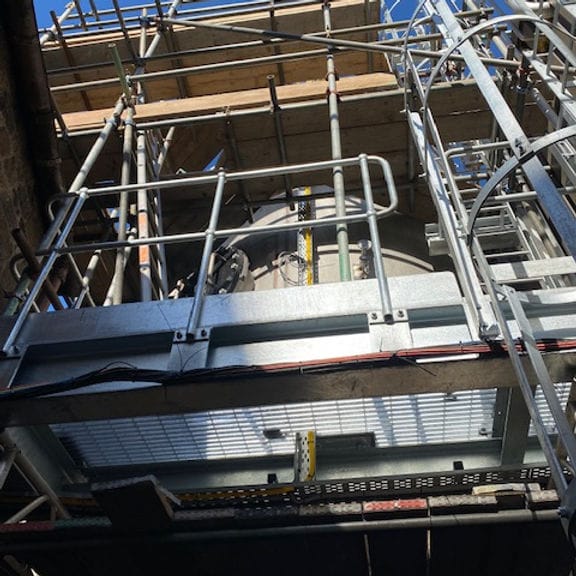
How Inverness Scaffolding Experts Beat Highland Gales
When hired, a team of seasoned scaffolders in Inverness does not just put together a bunch of metal tubes to create a temporary structure for construction workers.
Seasoned scaffolders take their work very seriously and consider each scaffolding project an engineering challenge directly shaped by local weather conditions.
Smart Design and Wind Load Calculations
Seasoned contractors will calculate the potential force of winds that can and will lash the project site and, in turn, the scaffolding. The seasoned professionals will also factor in the scaffolding’s height. That is not all. The experts will also design the scaffolding layout based on the level of shelter it would receive from the surrounding buildings when the weather turns.
Additional considerations include whether the scaffolding will require debris netting or weather sheeting to protect workers from the elements. If these attachments are to be installed, then the framework of the scaffolding will be anchored far more securely to counter the sail-like effects the weather sheets or debris nets have on the scaffolding once they catch the wind.
High-Spec Anchoring and Ballasting
Seasoned scaffolders will use specialised wall anchors and heavy-duty ties to keep the scaffolding from shifting or tipping when the high winds start blowing.
If the scaffolding cannot be anchored to the wall or tied to wall ties, the structure will be secured with heavy counterweights (or ballast) placed at the base of the scaffolding.
Adapting to Rain, Snow, and Ice
Rain can make traditional scaffolding materials, such as timber planks, slick. To ensure safety, depending on the weather, professional scaffolding contractors will install non-slip steel or treated timber decking.
Additional safety measures a team of seasoned scaffolders will take to ensure the safety of the project site include clearing debris channels and laying down safety mesh, which prevents tools from sliding off wet platforms.
Do Not Hire Amateur Scaffolders
Unlike seasoned scaffolders associated with reputable contractors such as Direct Scaffolding Ltd, amateur scaffolders might skip the storm preparation process altogether.
Even if they did claim to make sure the scaffolding they have erected on site is secure, you can never prove the scaffolding’s layout is finalised only after the scaffolders incorporated the wind load data they should have acquired in real time from the project site.
In simple words, hiring amateur scaffolders is a bad idea. The scaffolding on your project site can sway violently, loosen wall fixings, and cause the structure to collapse, resulting in property damage, injuries, and even fatalities.